
Operator licence checker
If you use a goods vehicle over 3.5 tonnes for business, you will usually need one unless an exemption applies. Below that weight it depends on what you carry and where you drive. Answer three questions below for an initial indication, then check the rules underneath.
Use this as a practical first check. Exemptions and trailer rules still matter.
Is your vehicle, or your vehicle and trailer combined, over 3.5 tonnes gross plated weight?
Whose goods are you carrying?
Is your vehicle between 2.5 and 3.5 tonnes AND used for hire or reward in the EU?
Does your vehicle plus any trailer combine to over 3.5 tonnes?
Choose an answer to see the likely result.
An operator licence (or O-licence) is the authorisation many businesses need to run goods vehicles on the road. You will usually need one if your vehicle, or your vehicle and trailer together, weighs more than 3.5 tonnes gross plated weight and you use it for work, unless an exemption applies. That covers carrying your own goods and carrying goods for other people.
Two common points change the answer. If you only move your own goods in a vehicle of 3.5 tonnes or less, and any trailer's unladen weight is under 1,020kg, you may not need an operator licence for UK operation. And since 2022, vans between 2.5 and 3.5 tonnes used for hire or reward in the EU need a standard international licence, even though the same van may stay exempt at home.
| Vehicle | Typical weight | Need a licence? | Likely type |
|---|---|---|---|
| Transit van | under 3.5t | Usually no in the UK for own goods | None |
| Luton van | around 3.5t | Borderline, check plated weight and use | Restricted or Standard |
| 7.5t lorry | 7.5t | Usually yes unless exempt | Restricted or Standard |
| Tipper | varies | Depends on weight and use | Restricted or Standard |
| Horsebox | varies | Depends on business use | Check exemption position |
| Recovery truck | varies | Often exempt if used as a recovery vehicle | Usually none |
| Van and trailer | combined over 3.5t | Check trailer weight, goods and use | Restricted or Standard |
Weight and use both matter. A van that is fine on its own can need a licence the moment you add a trailer.
If the checker points towards a licence, start with a short assessment. We will confirm the route, evidence and next step.
Some vehicles and some uses sit outside the rules. Recovery vehicles, gritters, road sweepers, hearses and some agricultural vehicles may be exempt, but the exemption must fit the actual use. The full list is in Schedule 3 of the Goods Vehicles (Licensing of Operators) Regulations 1995.
What weight do you need an operator licence for?
Over 3.5 tonnes gross plated weight for goods vehicles used for business. Vehicle and trailer combinations are counted together, so two items under the limit can still take you over it.
Do I need an operator licence for a van?
Usually not in the UK if the van is 3.5 tonnes or less and you carry your own goods. You may need one if you tow a trailer that pushes the combination over 3.5 tonnes, or if the van is 2.5 to 3.5 tonnes and used for hire or reward in the EU.
Do I need an operator licence to tow a trailer?
It depends on the combined weight. If the vehicle and trailer together exceed 3.5 tonnes and you use them for business, you need one.
What is the difference between a restricted and a standard licence?
A restricted licence covers your own goods only. A standard licence covers carrying goods for other people for payment, and requires a transport manager.
Do I need a transport manager?
Only for standard licences. A restricted licence does not require one. If you hold or want a standard licence and have no qualified person in the business, you can appoint an external transport manager.
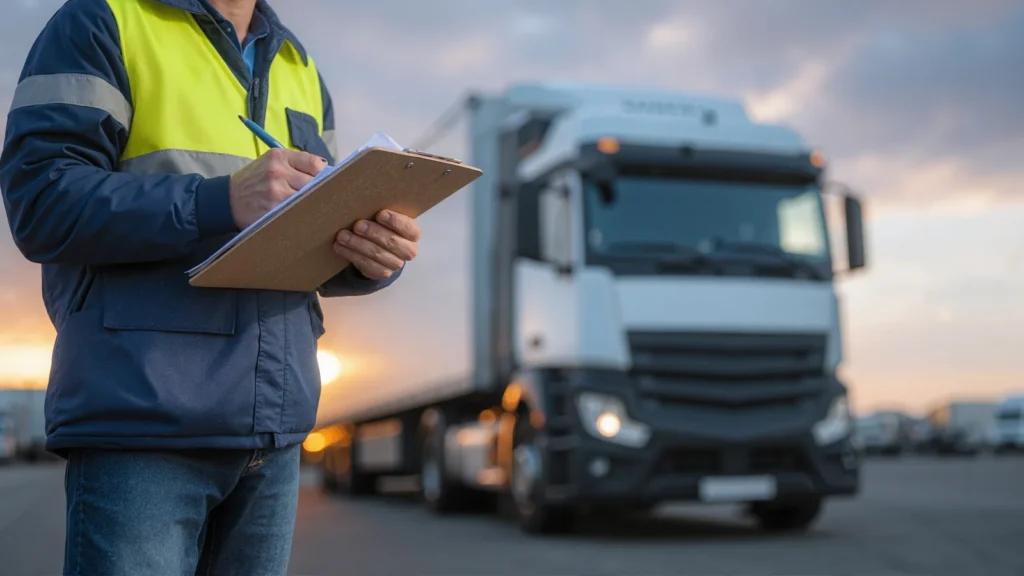
Some vehicles sit outside the rules whatever they weigh. Recovery vehicles, gritters, road sweepers, hearses and most agricultural vehicles are exempt. The full list is in Schedule 3 of the Goods Vehicles (Licensing of Operators) Regulations 1995.
Use these checks before you rely on an exemption or choose a licence type.
Check the plated weight of the vehicle and any trailer combination.
Own goods point toward restricted. Goods for payment point toward standard.
EU hire or reward work can bring 2.5 to 3.5 tonne vans into scope.
A trailer can push an otherwise exempt vehicle over the 3.5 tonne limit.
Some vehicles are outside the rules because of their use, not just weight.
Standard licences need one. Restricted licences do not.
If the checker points towards a licence, start with a short assessment. We will confirm the route, evidence and next step.
Compare restricted, standard national and standard international licence routes.
Use this if the checker says you are in scope and need to confirm the licence route.
Check when a transport manager is needed and how external support works.
Use this next if you need to understand DVSA fees, financial standing and the cost of applying.
Return to the main OperatorLicence.co.uk service hub.
Use this if you need the wider operator licensing guidance and support routes.
This is general guidance, not legal advice. For the definitive rules, see the gov.uk goods vehicle operator licensing guide.

